
The Truth about Metal Credit Cards
The Bold Idea:
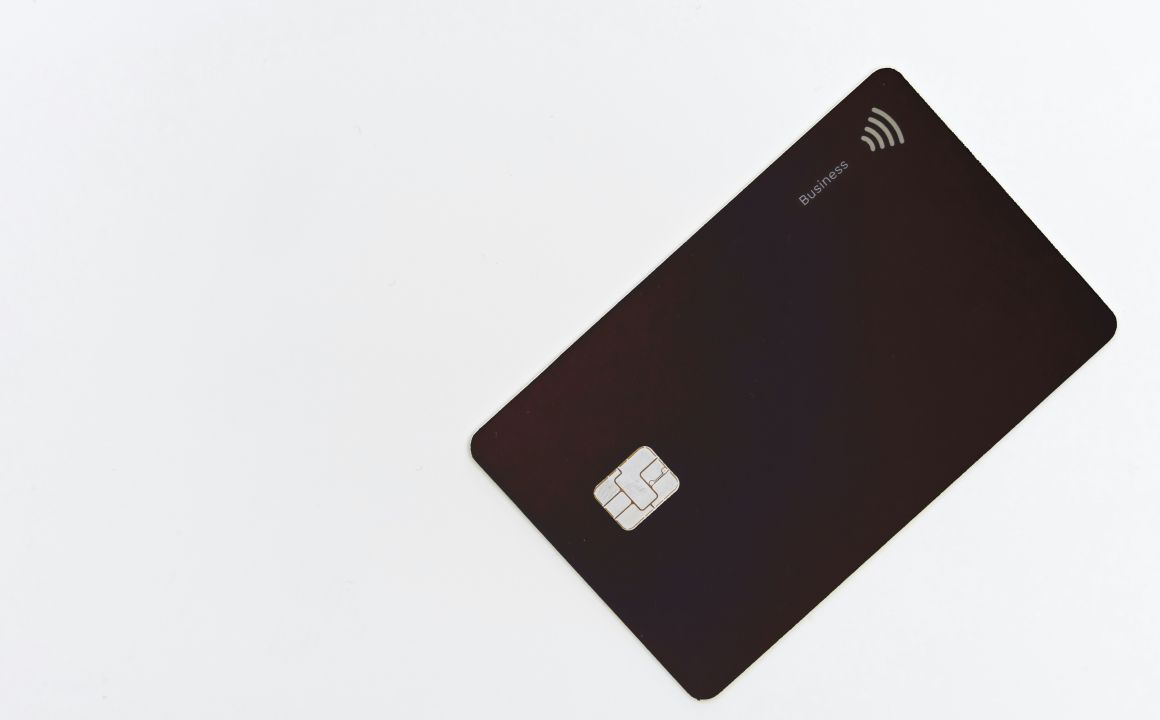
Metal credit cards feel special, but a metal card isn't necessarily a better card.
An excerpt from an interview with Holy Family University business professor J. Barry Dickinson which appeared on WalletHub.
Are there any advantages or disadvantages to having a credit card made of metal?
I think one of the main advantages of metal credit cards is that they are more durable than plastic cards. Traditional plastic cards have a tendency to wear, bend, and crack over time. Perhaps more importantly, they often have a premium look and feel. Cashiers often say things like, "wow this is heavy" or "nice card" when I hand my metal card to them. This serves as positive reinforcement to card holders. They do tend to be heavier and harder to dispose of because you cannot simply cut them up with scissors. I have experienced this and it is a bit of a challenge to dispose of them safely. Some metal cards may also be thicker and occasionally have trouble with certain card readers.
Why do you think some credit cards are made of metal and others aren’t?
Metal cards are often used by credit card companies to convey a feeling of exclusivity. Many are associated with cards that offer extensive travel rewards, benefits, or higher annual fees. The American Express Platinum card is metal and comes with a hefty annual membership fee of $895.00! Plastic cards are cheaper to manufacture and work perfectly well for most customers, so there is little practical reason for every card to be metal.
What advice do you have for someone who wants to apply for a metal credit card?
I would focus on the financial features of the card rather than its actual composition. Compare the annual fee, interest rate (APR), rewards, welcome offer, benefits, and credit requirements. A metal card isn't necessarily a better credit card. You should choose one only if its overall benefits and costs make sense for your spending habits and financial situation.