
From the Jury Box to Healing: How Pat Martin is Revolutionizing Juror Mental Health
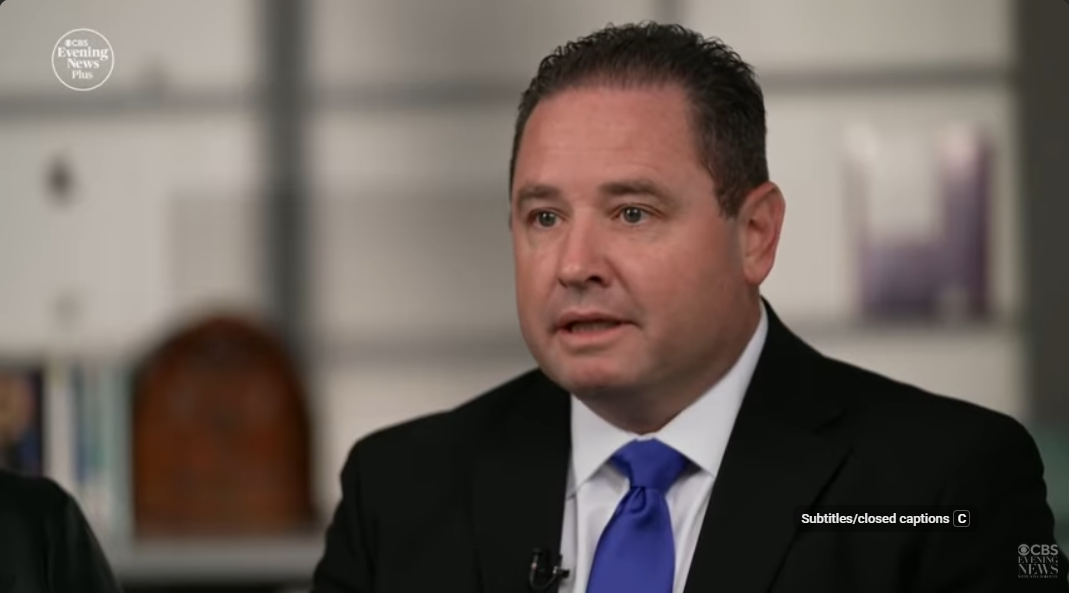
For many, jury duty is a civic box to check. For Holy Family University Alumnus, Pat Martin ’97, Jury Commissioner for the First Judicial District of Pennsylvania, it became the catalyst for a statewide mental health movement. The idea for Psychological First Aid began with a simple idea: "If we expect jurors to make decisions that can change someone’s life forever, then we owe them basic mental health support to help them process what they’ve been through," Martin says. After years of witnessing the emotional toll taken on ordinary citizens in Philadelphia courtrooms, Martin helped launch this program to ensure no juror has to process a traumatic verdict alone.
The Turning Point: Recognizing the Heavy Lift
Martin’s realization didn't happen overnight; it was forged in some of Philadelphia’s most harrowing cases, including the Kermit Gosnell murder trial and the Salvation Army building collapse.
"I remember looking at the jurors and thinking, ‘If this feels heavy for me, what must it feel like for them?’" Martin recalls. "Ordinary people were coming in to serve, and suddenly they were asked to carry extraordinary weight. Then, once the verdict was read, they were expected to simply return to their lives without any support."
Driven by the fading stigma around mental health—or what Martin prefers to simply call "health"—he sought a solution. Inspired by a Massachusetts model and partnering with West Chester University, he helped build a support system that reaches across Philadelphia.
Today, the program provides a critical safety net for those who have served on criminal or civil cases within the Philadelphia court system. Eligible participants can access the initiative’s resources through three complimentary, 30-minute telephone sessions, offering a confidential space to navigate the emotional impact of their service.
Defining Success One Person at a Time
While the program averages one or two users a month, Martin measures success in humanity, not statistics.
"To me, [the skeptics] are looking at it the wrong way," Martin says. "That’s one or two people every month who might have gone home struggling alone. By the end of the year, that’s around twenty people who felt seen, heard, and cared for. This program isn’t about numbers. It’s about people."
Leadership Through Compassion
This mission has redefined what leadership means to Martin. Moving away from the idea of leadership as just "making big decisions," he has embraced a quieter, more service-oriented approach. "Real leadership often happens quietly—by noticing the people who are struggling and stepping in before they have to ask for help... Serving others doesn’t always look dramatic. Sometimes it’s simply listening."